Your pool shows problems that other climates rarely experience. Surfaces deteriorate faster than expected. Equipment breaks down before reaching the predicted lifespan. These issues stem from unique desert conditions that stress pools differently.
Pool failure in Las Vegas happens for specific reasons tied directly to extreme heat and low humidity. Understanding these failure mechanisms helps you prevent expensive repairs. Most problems develop gradually and send warning signs before a complete breakdown occurs.
This guide explains exactly why desert pools fail and what you can do about it. You’ll discover the primary causes of pool failure, prevention strategies that actually work, and maintenance practices that protect your investment from premature deterioration.
Primary Causes Behind Desert Pool Failure
Desert environments attack pools through multiple mechanisms simultaneously. Each stress factor compounds the others and accelerates deterioration. Understanding these causes reveals why pool failure happens faster here than in moderate climates.
Mineral concentration from evaporation damages surfaces and equipment relentlessly. Las Vegas water contains high calcium and magnesium levels naturally. Rapid evaporation concentrates these minerals further and creates aggressive scaling conditions. The buildup attacks plaster, clogs equipment, and reduces circulation efficiency. Additionally, mineral deposits accelerate chemical imbalances that contribute to pool failure through corrosive water conditions.
Ultraviolet radiation intensity breaks down materials faster than anywhere else in the country. Desert sunshine delivers UV exposure that degrades plastics, rubbers, and chemical compounds rapidly. Equipment seals crack and lose flexibility. Surface finishes oxidize and become porous. Sanitizers dissipate before completing their work. Modern pool equipment incorporates UV-resistant materials that withstand intense desert sun better than standard components. Therefore, understanding these primary causes helps you implement prevention strategies before pool failure develops.
Three Critical Systems Most Vulnerable to Failure
Certain pool components face higher failure risks in desert conditions than others. Focusing prevention efforts on these vulnerable systems reduces overall pool failure probability. Each system requires specific attention and maintenance approaches.
Surface Integrity and Finish Deterioration
Plaster and aggregate surfaces bear the brunt of desert conditions directly. Chemical exposure combined with temperature stress creates porosity that allows deeper penetration of damaging compounds. The finish loses its protective qualities and exposes the underlying structure to accelerated wear. Surface pool failure manifests as roughness, staining, and eventual delamination that requires complete resurfacing.
Circulation and Filtration Components
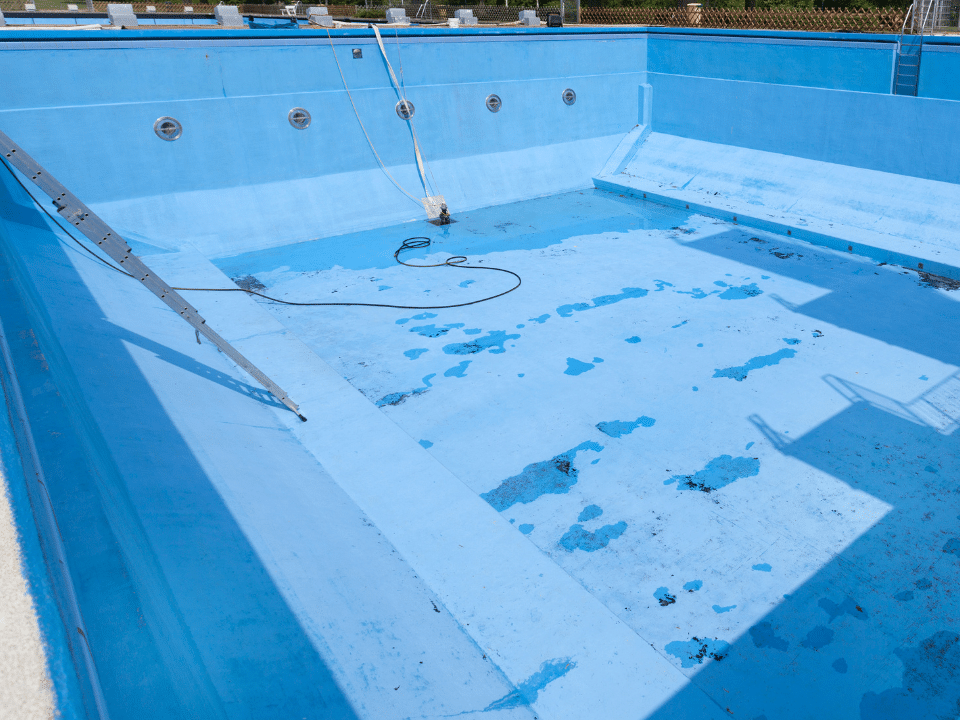
Pumps, filters, and plumbing systems work harder in desert conditions than in moderate climates. Increased debris from dust storms loads filters beyond design capacity. Mineral-laden water clogs lines and reduces flow rates. Equipment runs longer cycles to maintain water quality and experiences accelerated wear. Component pool failure in circulation systems leads to poor water quality and secondary damage to surfaces.
Chemical Balance and Sanitization Systems
Maintaining proper chemistry becomes nearly impossible when pool failure affects other systems. Rapid chlorine degradation from UV exposure requires constant replenishment. pH swings wildly as evaporation concentrates minerals and chemical additions. Automation systems that manage chemistry precisely prevent the imbalances that accelerate pool failure. Professional pool automation maintains optimal levels automatically and reduces the human error that contributes to premature deterioration.
Recognizing vulnerability in these three systems allows targeted prevention that stops pool failure before it starts. Consequently, strategic maintenance investment in high-risk areas delivers better protection than spreading effort evenly across all components.
Prevention Strategies That Stop Pool Failure Before It Starts
Proactive measures prevent the conditions that lead to pool failure. Implementing these strategies protects your investment and extends component life significantly. Consistent prevention costs far less than emergency repairs after pool failure occurs:
- Test water chemistry three times weekly during summer and twice weekly during cooler months
- Maintain calcium hardness between 200 and 400 ppm to prevent both scaling and corrosion
- Run filtration systems 10 to 12 hours daily during peak heat to ensure adequate circulation
- Brush all surfaces twice weekly, even when they look clea,n to prevent mineral attachment
- Backwash or clean filters when pressure rises 8 to 10 PSI above baseline reading
- Add cyanuric acid to maintain 30 to 50 ppm for chlorine protection from UV degradation
- Inspect equipment monthly for leaks, unusual sounds, or performance changes indicating developing problems
- Cover pools when not in use to reduce evaporation and protect surfaces from UV exposure
- Balance alkalinity properly to buffer pH swings that stress surfaces and equipment
These prevention strategies address the specific conditions that cause pool failure in desert climates. Additionally, quality tile and properly maintained grout create barriers that protect underlying structures from water infiltration. Moreover, protective pool covers reduce UV exposure and evaporation that concentrates damaging minerals. Therefore, combining multiple prevention approaches provides comprehensive protection against the various mechanisms that lead to pool failure.
Maintenance Schedules That Prevent Expensive Pool Failure
Timing and frequency of maintenance tasks directly affect pool failure rates. Random or inconsistent care allows problems to develop between service intervals. Structured schedules catch issues early before they cascade into major pool failure.
Daily tasks require minimal time but prevent the most common failure modes. Check the water level and refill before it drops below the skimmer opening. Skim surface debris before it sinks and stains surfaces. Empty skimmer and pump baskets to maintain proper circulation. These simple daily actions take five minutes total yet prevent circulation problems that lead to poor health.
Weekly maintenance addresses developing problems before they become serious. Test and adjust water chemistry to prevent corrosive or scaling conditions. Brush walls and floor even when surfaces look clean. Vacuum debris that normal circulation doesn’t capture. Inspect equipment for early warning signs of impending pool failure. Professional decking installation around your pool perimeter prevents dirt contamination that increases maintenance demands and accelerates surface wear.
Early Detection Systems That Identify Pending Pool Failure
Catching problems early prevents minor issues from escalating into complete pool failure. Certain indicators reveal developing problems long before visible damage appears. Monitoring these warning signs allows intervention before expensive repairs become necessary.
Water quality changes signal developing pool failure in circulation or chemistry systems. Cloudiness that persists despite proper chemical levels indicates filtration problems. Algae returning rapidly after treatment reveals sanitization inadequacy. These water quality issues point to underlying problems requiring immediate attention before they cause surface damage or equipment pool failure.
Performance degradation in equipment reveals components approaching pool failure. Pumps that run hotter than normal indicate bearing wear or motor problems. Filters requiring more frequent cleaning suggest media breakdown or sizing inadequacy. Heaters cycling frequently without maintaining temperature show ignition or heat exchanger issues. Advanced pool automation monitors system performance continuously and alerts you to developing problems before complete pool failure occurs. Additionally, addressing these early warnings prevents the secondary damage that accompanies catastrophic component failures.
Protect Your Investment from Desert Pool Failure with Expert Prevention
Desert conditions create specific challenges that lead to accelerated pool failure. Temperature extremes, mineral concentration, and UV intensity attack your pool constantly. Understanding these mechanisms and implementing targeted prevention strategies stops pool failure before it starts.
Edgewater Custom Pools has prevented pool failure across thousands of Las Vegas installations for over five decades. We understand exactly which systems fail first and how to protect them. Our maintenance programs focus on prevention rather than reaction to pool failure emergencies.
Contact us today to learn about comprehensive prevention programs tailored to desert conditions. We’ll protect your pool from the specific factors that cause pool failure in Las Vegas. Your investment deserves expert care that prevents problems rather than just fixing them after they occur.