Las Vegas tap water contains some of the highest mineral concentrations in the entire country. This hard water creates serious challenges for pool owners that most other regions never encounter. Understanding how water quality affects pool longevity, Las Vegas homeowners can expect help to protect their investment.
Calcium, magnesium, and other minerals slowly damage pool surfaces, equipment, and plumbing systems over time. What starts as minor scaling can escalate into expensive repairs and premature equipment replacement. Many pool owners don’t realize their water source causes these problems until damage becomes severe.
This guide explains exactly how desert water impacts your pool’s lifespan and performance. You’ll learn what minerals cause the most damage, which pool components suffer first, and how to prevent costly deterioration. Plus, you’ll discover material choices and maintenance strategies that extend your pool’s life for decades.
What’s Really in Your Tap Water
Las Vegas receives its water primarily from Lake Mead through the Colorado River system. This water picks up minerals as it travels through rock formations and desert terrain. By the time it reaches your home, the mineral content ranks among the highest in any major U.S. city.
Calcium and magnesium dominate the mineral composition, creating what experts classify as extremely hard water. Total dissolved solids often exceed 400 parts per million in Las Vegas tap water. Additionally, high pH levels around 8.0 to 8.5 make the water naturally alkaline and aggressive toward pool surfaces.
These chemical characteristics directly impact pool longevity, which Las Vegas residents can achieve with their backyard investments. Hard water attacks plaster, tile, equipment, and plumbing relentlessly over time. Understanding your water source helps you take preventive action before damage occurs. Quality pool equipment designed for hard water conditions lasts significantly longer than standard components.
How Hard Water Destroys Pool Surfaces
Mineral-rich water attacks pool surfaces from the moment you fill your pool. The damage happens gradually but compounds over the years of exposure. Understanding these deterioration patterns helps you recognize problems early and take corrective action.
Calcium Scale Formation
White crusty deposits appear first along the waterline and on tile surfaces. Calcium carbonate precipitates out of solution when water chemistry becomes unbalanced. These deposits grow thicker over time and become increasingly difficult to remove. Eventually, scale penetrates into porous surfaces like plaster permanently.
Etching and Roughness
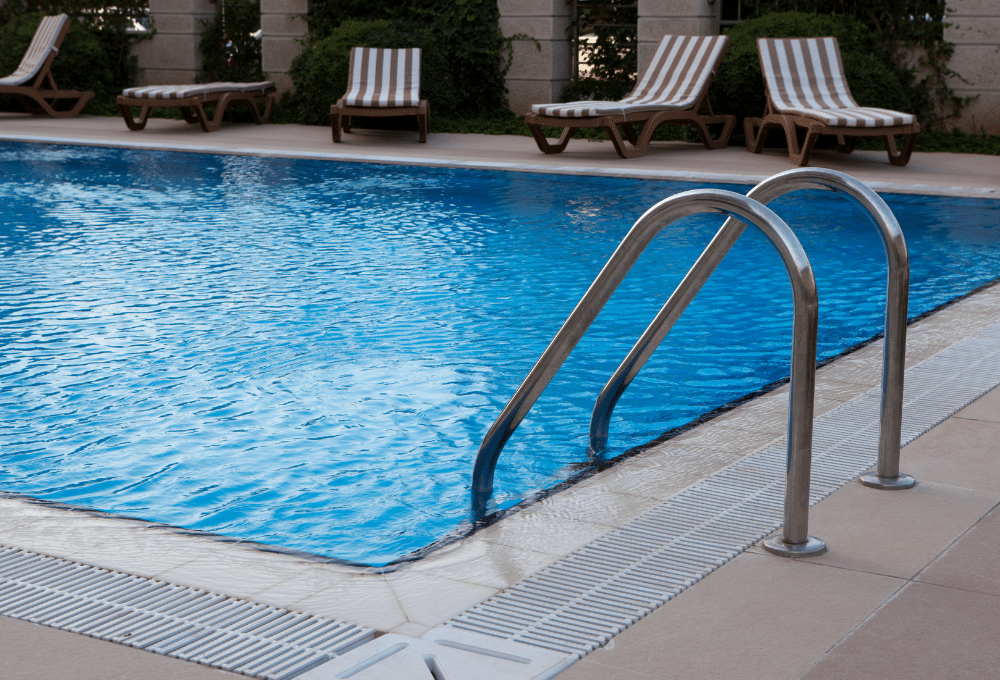
Imbalanced water chemistry literally dissolves calcium from plaster surfaces through a process called etching. The smooth finish becomes rough and pitted as minerals leach out. This roughness catches algae more easily and feels uncomfortable underfoot. Moreover, etched surfaces deteriorate faster and require earlier resurfacing.
Staining Issues
Copper, iron, and manganese in water create stubborn stains that penetrate deep into pool finishes. These metallic minerals oxidize and bond chemically with plaster and aggregate surfaces. Brown, green, or purple discoloration ruins your pool’s appearance significantly. Consider premium tile selections that resist staining better than standard materials.
Protecting surfaces requires consistent water chemistry management and quality materials from the start. Regular testing catches imbalances before they cause permanent damage. Therefore, investing in proper surface care dramatically extends pool longevity in Las Vegas conditions that would otherwise reduce it.
How Hard Water Damages Pool Equipment and Systems
Equipment and plumbing suffer just as much damage from hard water as visible surfaces do. Mineral deposits accumulate inside pipes, heaters, and pumps, where they can’t be seen. This hidden damage reduces efficiency and shortens equipment lifespan dramatically.
Hard water creates multiple equipment problems that increase operating costs and require premature replacement:
- Heat exchangers clog with calcium scale, reducing heating efficiency by 40% or more
- Metal components corrode faster in high mineral content and alkalinity
- Plumbing lines narrow as scale builds up inside, reducing water flow significantly
- Pump impellers wear down from abrasive mineral particles in circulation
- Filter cartridges clog more frequently, requiring cleaning every few weeks
- Salt chlorine generators fail early due to calcium coating the electrolytic cells
- Energy bills climb as equipment works harder to overcome mineral resistance
Real costs of ignoring water quality add up quickly for pool longevity, as Las Vegas homeowners expect from their investments. Additionally, installing quality pool equipment designed for hard water conditions prevents these expensive failures. Therefore, proper water management pays for itself many times over through extended equipment life.
Smart Water Management Strategies
Proper water chemistry management protects your pool from mineral damage and extends its useful life significantly. Consistent testing and adjustment prevent problems before they start causing permanent harm. Smart homeowners develop regular routines that keep water balanced year-round.
Test your water weekly during summer and every two weeks during cooler months for accurate readings. Additionally, maintain pH between 7.4 and 7.6 to prevent scaling while protecting equipment from corrosion. Use quality test kits or bring samples to professionals for precise measurements.
Balancing calcium hardness requires careful adjustment of chemicals and sometimes dilution with softer water sources. Adding sequestering agents helps keep minerals suspended rather than depositing on surfaces. However, the most effective solution involves partially draining your pool every two to three years. Fresh water dilutes accumulated minerals and resets your chemistry to manageable levels. Quality pool finishes also resist mineral damage better than standard plaster surfaces.
Maximize Your Pool’s Lifespan with Expert Construction
Desert water quality directly impacts pool longevity; Las Vegas homeowners can expect from their backyard investments. Hard water slowly damages surfaces, equipment, and plumbing through relentless mineral deposits and chemical imbalances. Understanding these challenges helps you take preventive action before expensive problems develop.
Professional construction using appropriate materials makes a tremendous difference in how well pools withstand hard water. Premium finishes, quality equipment, and proper initial water chemistry set the foundation for decades of reliable performance. Additionally, consistent maintenance and testing catch problems early when solutions remain simple and affordable.
Edgewater Custom Pools has built thousands of pools designed specifically for Las Vegas water conditions for over 50 years. Our team understands exactly which materials and construction methods deliver maximum durability in desert environments. We specify equipment and finishes that resist mineral damage while maintaining their beauty for generations.
Contact us today for expert guidance on creating pools designed for Las Vegas water quality and built to last.