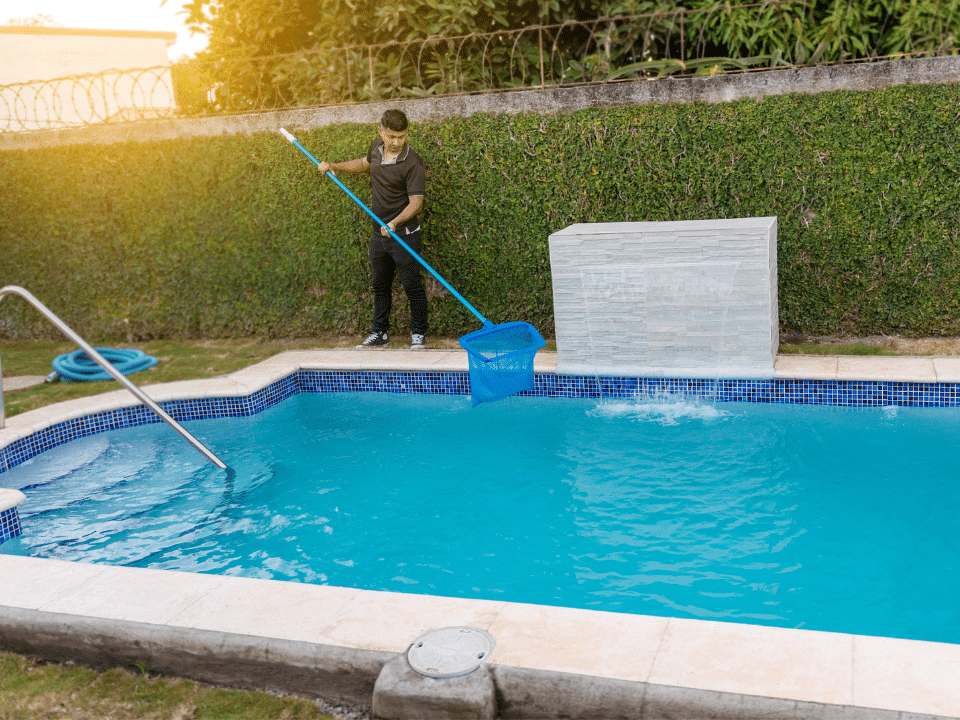
Your pool demands more attention in Las Vegas than generic service schedules suggest. Standard monthly or bi-weekly routines fail in extreme heat. Equipment works harder, and water chemistry shifts faster than in moderate climates.
Most pool owners follow service frequency recommendations designed for temperate regions. These schedules leave gaps where problems develop unnoticed. Hot climate conditions require different service intervals to maintain water quality and prevent equipment damage.
This guide reveals exactly how often your pool needs attention in desert heat. You’ll discover optimal pool service frequencies for different tasks, seasonal adjustments that matter, and warning signs that indicate you need more frequent professional help.
Hot Climate Service Demands Differ Dramatically from Standard Schedules
Desert conditions create maintenance requirements that contradict national recommendations. Understanding these differences prevents the problems that develop when you follow generic pool service advice. Temperature, humidity, and environmental factors all affect optimal service frequency.
Heat intensity accelerates chemical reactions and equipment wear simultaneously. Chlorine dissipates in hours rather than days under intense UV exposure. Pumps and filters operate under thermal stress that shortens component life. Additionally, algae thrives in warm water and reproduces rapidly when conditions allow for any chemical imbalance. These factors demand pool service intervals that catch problems before they cascade into major issues.
Debris accumulation from desert winds loads filtration systems beyond normal capacity. Dust storms deposit fine particles that clog filters and cloud water quickly. Standard cleaning schedules prove inadequate when environmental contamination exceeds typical levels. Modern pool equipment handles increased filtration demands better than outdated systems, but still requires more frequent attention in desert conditions. Therefore, hot climate pool service schedules must adapt to these unique environmental stresses.
Optimal Service Frequencies for Essential Pool Tasks
Different maintenance activities require varying attention intervals based on their impact and urgency. Understanding proper pool service timing for each task prevents both over-maintenance and dangerous neglect. Hot climates shift these frequencies significantly from moderate climate recommendations.
Daily and Weekly Chemistry Management
Water testing demands occur more frequently in hot climates than anywhere else. Test pH and chlorine levels three times weekly minimum during the summer months. Daily testing becomes necessary during extreme heat waves or heavy pool usage. Chemical adjustments often need daily attention as evaporation and UV exposure create rapid shifts. Automated pool service through technology maintains chemistry continuously without manual intervention.
Bi-Weekly Professional Inspection and Maintenance
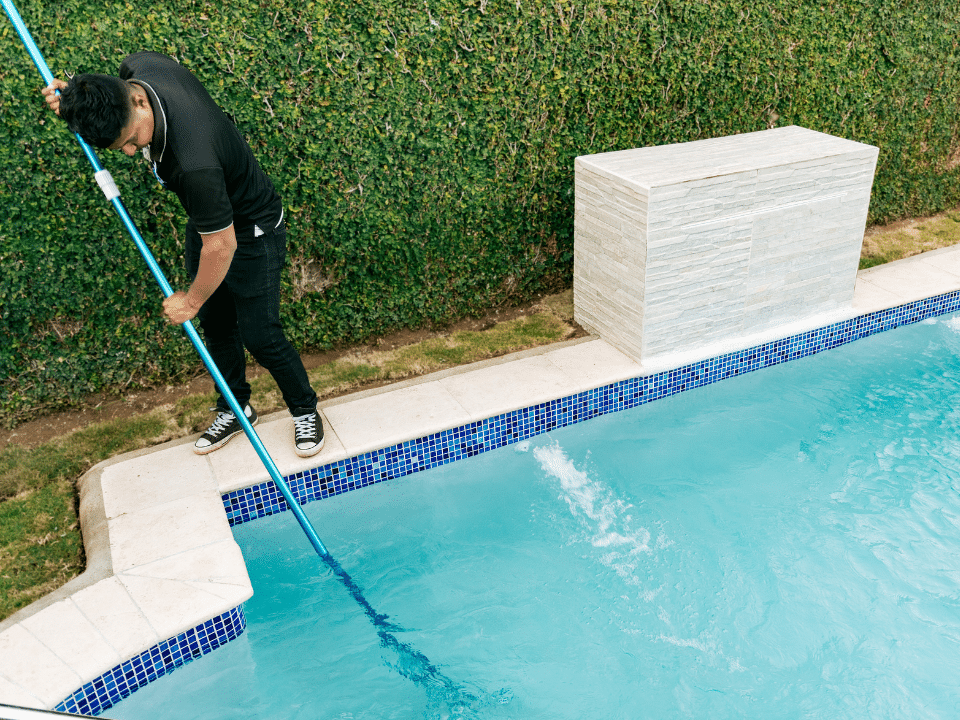
Comprehensive pool service every two weeks catches developing problems before they become emergencies. Professional technicians test complete chemistry panels, including alkalinity, calcium hardness, and stabilizer levels. They inspect equipment for wear indicators, clean filters thoroughly, and brush surfaces to prevent algae attachment. This interval provides adequate oversight without excessive expense for most residential pools.
Monthly System Evaluation and Deep Cleaning
Detailed pool service monthly includes tasks beyond routine maintenance. Inspect all plumbing connections for leaks or stress. Evaluate equipment performance metrics like pressure readings and flow rates. Deep clean tile lines where mineral deposits accumulate despite regular brushing. Professional tile cleaning removes buildup that damages grout and allows water infiltration behind surfaces.
These frequency recommendations represent minimums for hot climate pool service. Consequently, pools with heavy usage, aging equipment, or persistent problems require more frequent professional attention to maintain optimal condition.
Critical Pool Service Tasks Requiring Consistent Attention
Certain maintenance activities cannot be delayed or skipped without risking water quality and equipment damage. Hot climate pool service must include these essential tasks at appropriate intervals. Neglecting any of these areas leads to expensive repairs:
- Check the water level daily and refill before dropping below the skimmer intake opening
- Empty skimmer baskets and pump baskets at least twice weekly to maintain circulation
- Test pH and chlorine levels three times weekly minimum during hot months
- Brush all pool surfaces twice weekly, regardless of visible algae or staining
- Vacuum the floor and walls weekly to remove debris that circulation misses
- Clean or backwash filters when the pressure gauge reads 8 to 10 PSI above baseline
- Inspect equipment weekly for leaks, unusual sounds, or performance degradation
- Shock pool weekly during peak usage and monthly during lighter use periods
- Monitor stabilizer levels monthly to ensure adequate chlorine protection from UV
- Trim vegetation around the pool area to reduce organic debris and maintain airflow
These tasks form the foundation of effective hot climate pool service. Additionally, quality pool covers reduce service demands by protecting water from evaporation and contamination between uses. Moreover, proper decking installation prevents dirt and debris from washing into your pool during storms. Therefore, combining consistent task completion with protective measures minimizes total pool service requirements while maintaining excellent water quality.
Adjusting Pool Service Frequency Throughout the Year
Hot climates still experience seasonal variations that affect optimal maintenance schedules. Summer demands peak attention, while winter allows reduced pool service frequency. Adapting your schedule to changing conditions prevents both over-servicing and inadequate care.
Spring and fall shoulder seasons allow moderate pool service schedules. Testing three times weekly suffices as temperatures stabilize in comfortable ranges. Equipment inspection extends to bi-weekly intervals. Chemical consumption decreases and allows longer periods between adjustments. However, remain vigilant for algae blooms during warm spells that create ideal growth conditions despite cooler average temperatures.
Winter months permit minimal pool service if you maintain pools year-round in Las Vegas. Chemistry testing drops to twice monthly as evaporation slows and chemical stability improves. Equipment runs fewer hours daily and experiences less wear. Professional service quarterly handles preventive maintenance and prepares systems for the next summer season. Advanced pool automation adjusts service needs automatically based on temperature and usage patterns throughout seasonal transitions.
Recognizing When Your Pool Service Schedule Needs Adjustment
Standard frequencies work for typical conditions, but certain situations demand modified pool service intervals. Monitoring these indicators helps you adapt maintenance timing before problems develop. Increased attention prevents the expensive repairs that follow inadequate care.
Equipment performance changes signal stress that requires more frequent pool service attention. Pumps run hotter than normal or make unusual sounds. Filters need cleaning more often than in previous seasons. Heaters cycle frequently without maintaining temperature. These symptoms indicate components approaching failure that need closer monitoring through increased inspection intervals.
Usage patterns affect optimal pool service timing significantly. Heavy entertaining increases contaminant loads and chemical consumption. Multiple daily swimmers introduce more oils and debris than occasional use. Family vacations that interrupt routine maintenance create gaps where problems develop. Adjusting pool service frequency to match actual usage prevents the issues caused by following rigid schedules regardless of conditions.
Schedule Pool Service That Matches Hot Climate Reality
Hot climates demand different maintenance frequencies than temperate regions. Daily attention to some tasks prevents problems that weekly schedules miss. Professional pool service every two weeks catches developing issues before they become emergencies. Seasonal adjustments optimize care throughout the year.
Edgewater Custom Pools provides hot-weather pool service schedules tailored to actual Las Vegas conditions. We understand exactly how often each task needs attention in extreme heat. Our service programs adapt to your pool’s specific demands rather than forcing generic schedules.Contact us today to discuss customized pool service that matches desert reality. We’ll create a maintenance plan based on your pool’s condition, usage patterns, and seasonal requirements. Your pool deserves professional care designed specifically for hot climate challenges.