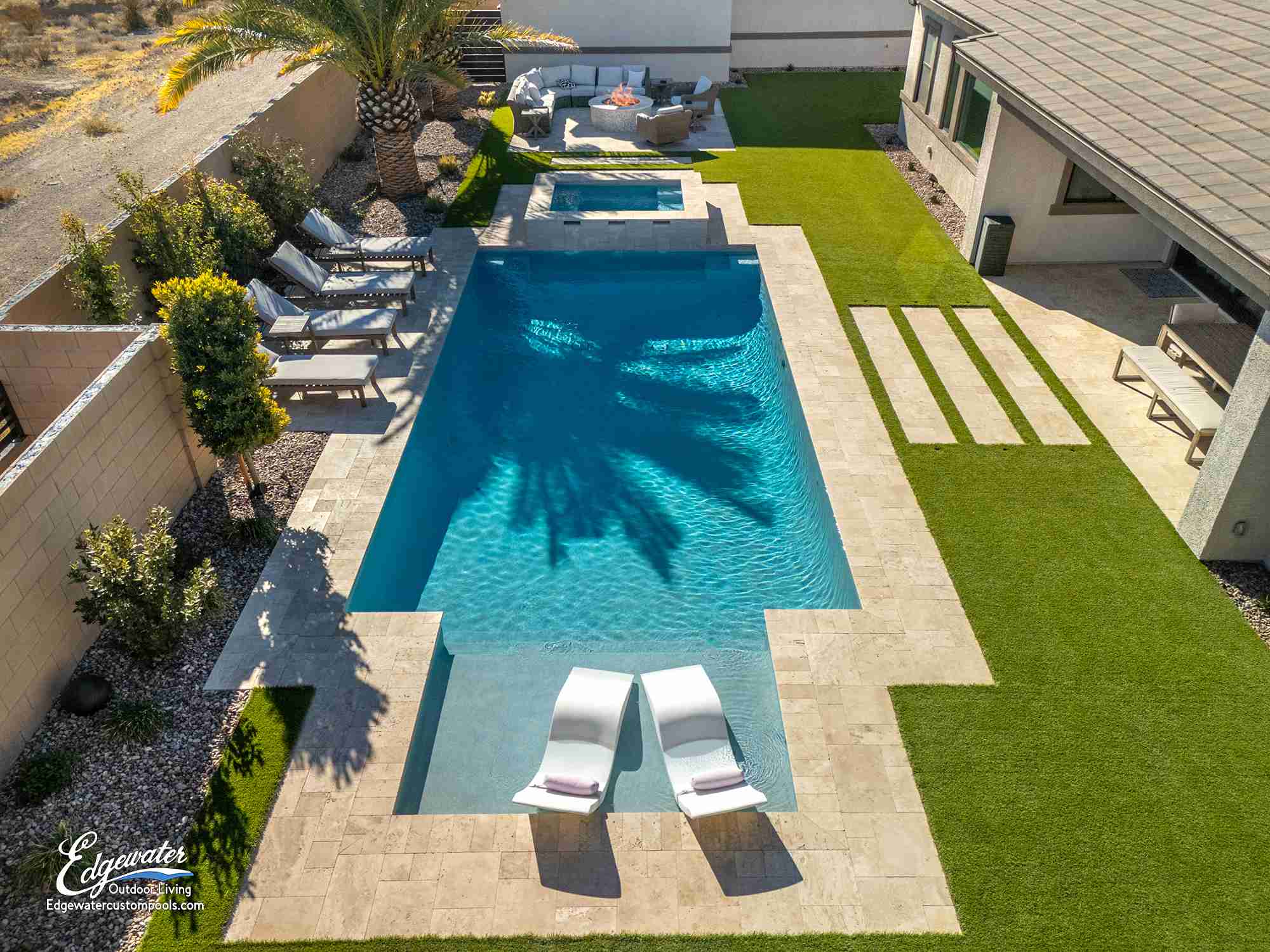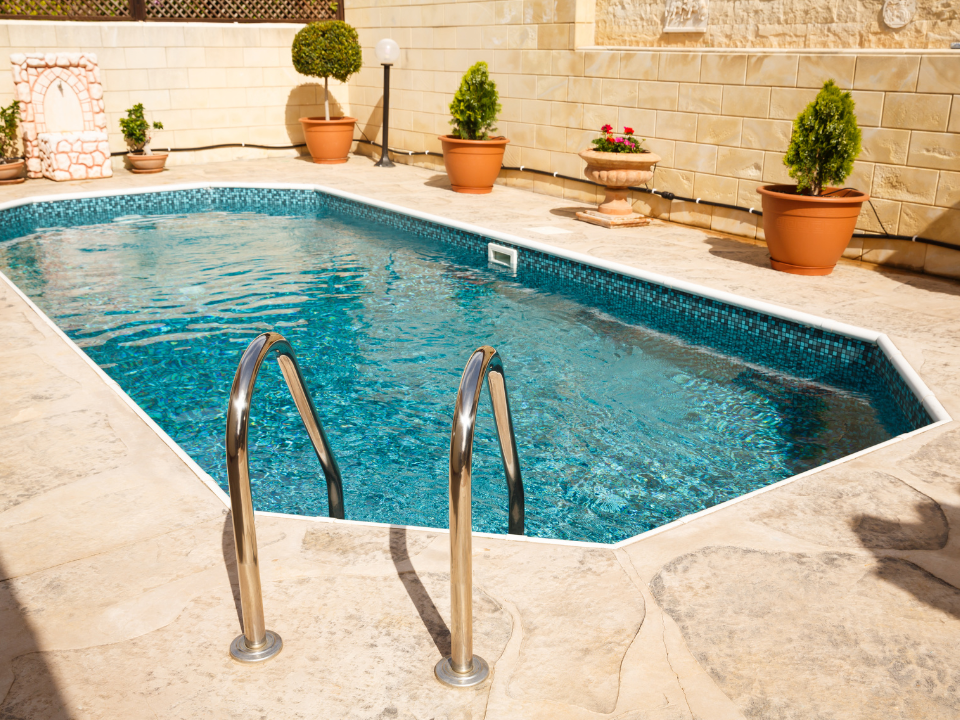
Your pool represents a significant investment in your home and lifestyle. You wonder how long major components will last before needing replacement. The answer depends heavily on the Las Vegas desert conditions and maintenance quality.
Most pool owners overestimate or underestimate component longevity by years. Generic lifespan estimates from other climates don’t account for extreme heat and mineral-laden water. Understanding realistic pool lifespan expectations helps you budget properly and avoid surprise failures.
This guide reveals how long each major pool component actually lasts in desert conditions. You’ll learn what affects longevity, when to expect replacements, and how to maximize the life of every element.
Why Las Vegas Conditions Affect Pool Lifespan Differently
Desert climate creates unique stresses that accelerate wear on pool components. Understanding these factors explains why pool lifespan in Las Vegas differs from national averages. Temperature extremes and environmental conditions impact every material differently.
Intense heat causes expansion and contraction cycles that stress surfaces and equipment. Summer temperatures exceed 115 degrees regularly. Your pool components expand during scorching days and contract during cooler nights. These repeated cycles create stress fractures and material fatigue faster than moderate climates experience.
Hard water with high mineral content attacks surfaces and equipment relentlessly. Las Vegas water contains calcium, magnesium, and other minerals at elevated levels. These deposits build up on surfaces, clog equipment, and create scaling that shortens component life. Additionally, low humidity accelerates evaporation, which concentrates these minerals even further. Quality pool equipment designed for hard water conditions resists mineral damage better than standard components.
Expected Pool Lifespan for Major Components
Different pool elements last varying lengths of time based on materials, quality, and maintenance. Understanding realistic expectations for each component helps you plan upgrades and budget accordingly. Las Vegas conditions generally reduce national average life expectancies by several years.
Pool Surfaces and Interior Finishes
Plaster surfaces typically last 7 to 10 years in Las Vegas before requiring resurfacing. Traditional white plaster shows wear fastest because it’s porous and absorbs chemicals readily. Premium plaster with additives extends this to 10 to 12 years. Aggregate finishes like pebble or quartz last 12 to 20 years because they’re more durable and resistant to chemical damage.
Tile and Coping Materials
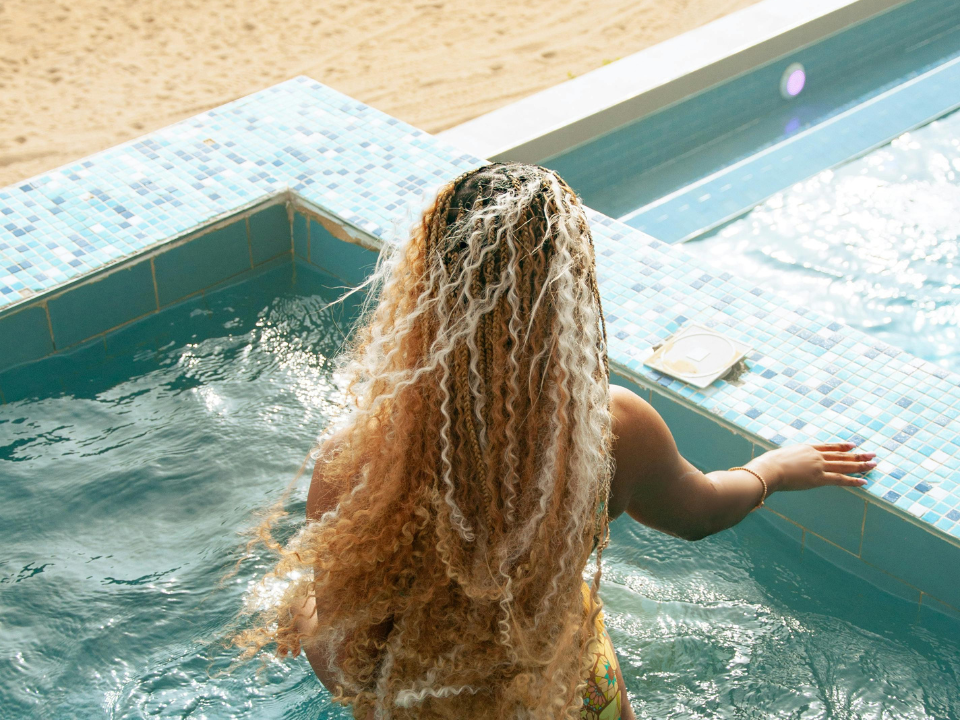
Pool tile outlasts most other components when installed correctly. Quality ceramic tile lasts 20 to 30 years or longer with proper care. However, the grout between tiles fails much sooner. Standard grout requires replacement every 10 to 15 years as it cracks and allows water intrusion. The coping around your pool edge lasts 15 to 25 years, depending on the material. Stone coping withstands desert conditions better than concrete options. Professional tile and grout installation significantly extends pool lifespan by preventing water damage to underlying structures.
Equipment and Mechanical Systems
Pumps typically last 8 to 12 years in Las Vegas conditions. Variable-speed models often outlast single-speed pumps because they run more efficiently. Filters need replacement every 5 to 7 years for cartridge systems and 7 to 10 years for sand filters. Heaters last 8 to 12 years, with gas models generally outlasting electric versions. Automation systems and controls last 10 to 15 years before requiring updates.
Understanding these timeframes helps you anticipate replacement needs rather than facing emergency failures. Therefore, planning ahead prevents disruptions and allows you to budget appropriately for inevitable updates.
Signs Your Pool Components Are Reaching the End of Life
Recognizing warning signs helps you replace components before complete failure occurs. Catching problems early prevents damage to other systems and maintains pool functionality. Watch for these indicators that major elements need attention:
- Surface roughness increases noticeably despite regular brushing and chemical balance
- Staining patterns spread across plaster and resist standard cleaning treatments
- Cracks appear and reappear in the same locations after patching attempts
- Tile pieces loosen or fall away from pool walls and waterline areas
- Grout develops dark lines indicating water infiltration behind tile
- Equipment runs louder than normal or produces unusual grinding sounds
- Pumps cycle on and off frequently without maintaining steady operation
- Water clarity decreases despite proper chemical levels and filtration runtime
- Energy costs increase steadily as equipment loses efficiency over time
These warning signs indicate a declining pool lifespan for specific components. Additionally, addressing multiple issues simultaneously through comprehensive updates often costs less than tackling problems individually over several years. Modern pool covers protect surfaces from UV damage and reduce chemical consumption that accelerates wear. Consequently, proactive replacement based on warning signs prevents more expensive emergency repairs and system failures.
Maximizing Your Pool Lifespan Through Proper Care
Maintenance quality dramatically impacts how long pool components actually last. Proper care extends pool lifespan well beyond minimum expectations. Simple, consistent practices prevent premature failure and protect your investment.
Water chemistry balance prevents most accelerated wear on surfaces and equipment. Maintaining proper pH, alkalinity, and calcium levels stops corrosive damage and scaling formation. Unbalanced water attacks plaster, corrodes metal components, and degrades equipment seals. Testing and adjusting chemistry regularly adds years to every pool component.
Regular cleaning prevents buildup that damages surfaces and stresses filtration systems. Brushing removes contaminants before they etch into plaster or stain aggregate finishes. Skimming debris daily reduces filter workload and extends media life. Moreover, proper decking around your pool prevents dirt and debris from washing into the water during storms. Equipment maintenance catches small problems before they cause major failures that shorten overall pool lifespan significantly.
Planning for Replacement and Upgrade Timing
Smart pool owners anticipate component replacement rather than reacting to failures. Strategic timing for updates minimizes disruption and often reduces total costs. Understanding optimal replacement windows helps you budget effectively.
Component lifespans overlap in ways that create natural upgrade opportunities. When your plaster needs resurfacing around year ten, your tile grout likely needs attention too. Combining these projects saves money on labor mobilization and equipment rental. Similarly, replacing multiple equipment components together reduces installation costs compared to individual replacements.
Upgrading before complete failure prevents secondary damage to other systems. A failing pump that finally quits can damage your motor and plumbing connections. Heater failures sometimes cause chemical imbalances that etch surfaces. Therefore, replacing components near the end of the expected pool lifespan protects surrounding systems from collateral damage. Professional pool automation modernizes control systems during equipment upgrades and extends overall pool lifespan through optimized operation and reduced wear.
Protect Your Pool Lifespan Investment with Expert Guidance
Understanding realistic component longevity helps you maintain your pool properly and budget for inevitable replacements. Las Vegas conditions affect pool lifespan differently from other climates. Proper care and strategic timing for updates maximize the years you get from every element.
Edgewater Custom Pools has monitored component performance across thousands of Las Vegas pools for over five decades. We accurately predict pool lifespan for specific materials and conditions. Our team helps you plan upgrades strategically rather than facing emergency failures.Contact us today for an honest assessment of your pool component condition. We’ll identify what needs attention now and what can wait. Your pool deserves professional care that protects your investment for decades.